Controversies in the quality and content of the anime
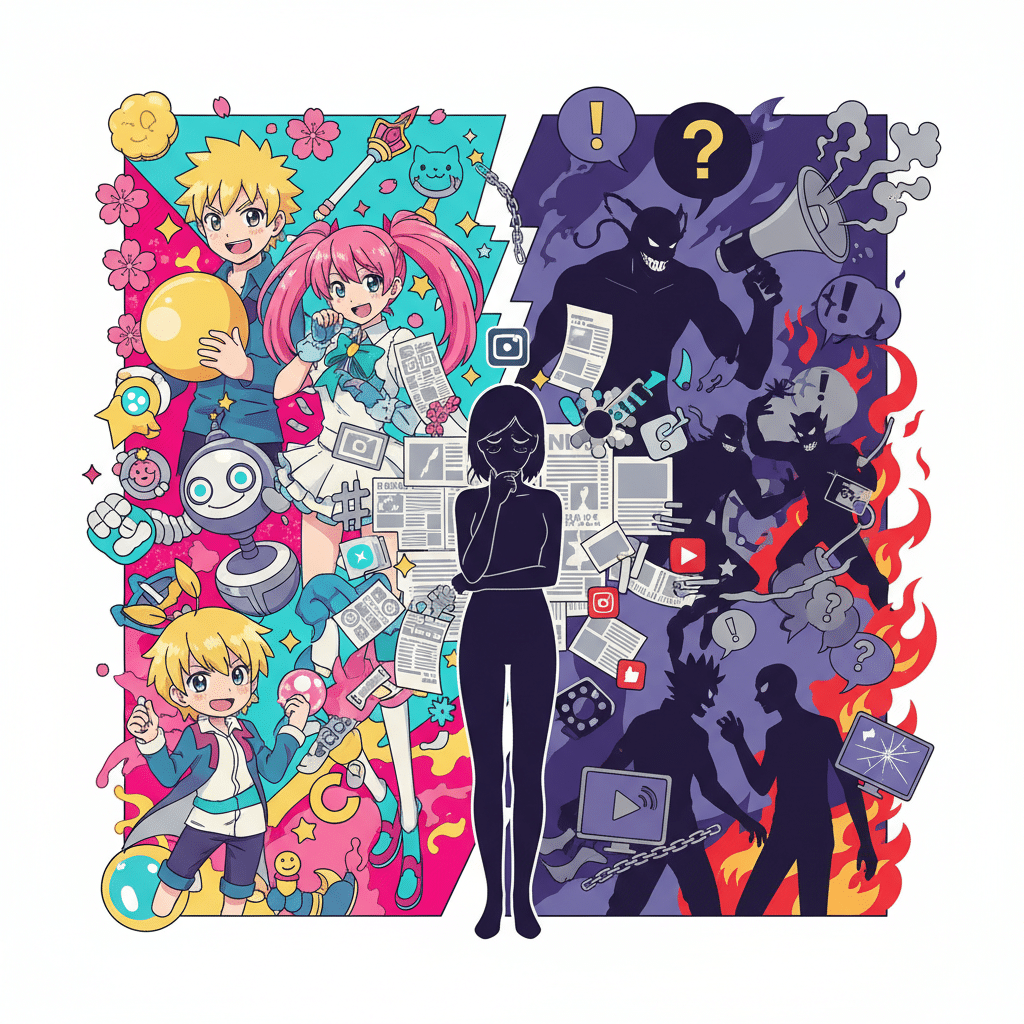
The anime world faces constant criticism due to the quality production and treatment of its contents. This generates intense debates between fans and specialists.
The problems range from poor animations to sexualization and excessive violence, which affects public perception and acceptance of gender.
Reviews of the adaptation of The Beginning After The End (2024)
The series The Beginning After The End (2024) was harshly criticized for its low animation quality and inconsistent narrative, disappointing many followers.
Furthermore, the unnecessary sexualization of female characters, an aspect that generated rejection and concern in the otaku community.
Despite controversy and requests to cancel it, the production confirmed a second season, which kept the discussion about expectations and standards going.
Debate on violence and sexualization in Goblin Slayer (2018)
Goblin Slayer (2018) sparked widespread debate since its release due to the graphic representation of sexual violence in its first episode, which generated rejection.
Some defended the series as an artistic expression, but others questioned the responsibility of showing such explicit scenes and their impact on the audience.
Finally, the anime moderated its content, although the debate about violence and sexualization is still valid in the industry and among fans.
Polarization on extreme themes and violence in anime
Anime that addresses intense and violent themes generates divided opinions among those who defend it artistic expression and those who report harmful content.
This polarization reflects a constant struggle to find a balance between creative freedom and social responsibility in the anime industry.
Impact and reactions to Redo of Healer (2021)
Redo of Healer (2021) caused great controversy for its explicit scenes sexual violence and revenge, described as toxic by a large part of the public.
The series was banned on several streaming platforms, intensifying a debate about the limits of acceptable content in anime.
Despite criticism, some defend the series as a way of extreme art, generating discussions about censorship and creative freedom.
Artistic expressions vs. toxic content
The line between artistic expression and abusive content becomes diffuse, especially in animes that explore dark or controversial themes.
This sparks debates about how far the narrative can go without falling into glorifying violence or attitudes harmful to the audience.
Many experts ask for more responsibility in production to prevent graphic representation from becoming a free element that negatively affects.
Importance of dialogue in the otaku community
Constant debate on forums and social networks is vital to understanding how anime influences cultural and social values and to promoting constructive criticism.
Cases of censorship on streaming platforms
Several platforms have taken censorship measures on animes with extreme violence or sexualization to comply with regulations and protect their audiences.
These actions sometimes cause discomfort in fans who believe that the creative freedom and original integrity of the works is limited.
Censorship has become another focus of controversy, since it affects the availability and accessibility of certain titles within the global market.
International legislation and censorship in anime
The censorship and restrictive laws have impacted global anime distribution, sparking debates about artistic freedom versus social protection.
These legal conflicts affect both creators and fans, modifying the way works are consumed and perceived in different regions.
The “Anti-Anime” law in Texas and its consequences
In 2025, Texas passed the so-called “ lawAnti-Anime”, which prohibits the display of animations with characters who appear to be minors in situations considered obscene.
This legislation has caused the removal of iconic mangas and animes such as Dragon Ball from local stores and events, fearing possible legal sanctions.
The otaku community and several cultural organizations criticized the law, noting that its wording ambiguous it threatens cultural diversity and creative freedom.
State restrictions in China on popular titles
China also applies strict restrictions about animes, banning popular series like Death Note and Highschool of the Dead for their content.
These restrictions limit young people's access to certain topics and affect the diversity of genres and narratives available in the Chinese market.
State control reflects a conservative stance that prioritizes censorship to protect official values rather than promoting artistic freedom.
Debates on creativity, culture and regulation
In the field of anime, the creativity it frequently clashes with cultural sensitivity and legal regulations, generating a complex debate.
This conflict reflects the difficulty of balancing artistic freedom with respect for diverse social and cultural values.
Tension between cultural sensitivity and artistic freedom
The tension between the artistic freedom and cultural sensitivity arises when certain content is perceived as offensive or inappropriate.
In some countries, regulation limits topics considered taboo, affecting the way creators express their ideas.
This clash provokes debates about whether censorship can restrict the innovation and the creative diversity in anime.
Some advocate unlimited expression, while others advocate respecting cultural contexts to avoid conflict.
Anime as a media and social focus
Anime has become a social phenomenon which attracts media attention, especially when addressing controversial topics.
Media coverage amplifies controversies, influencing public perception and regulation of animated works.
In addition, anime generates dialogues about culture, ethics and creative limits, becoming a space to debate global values.