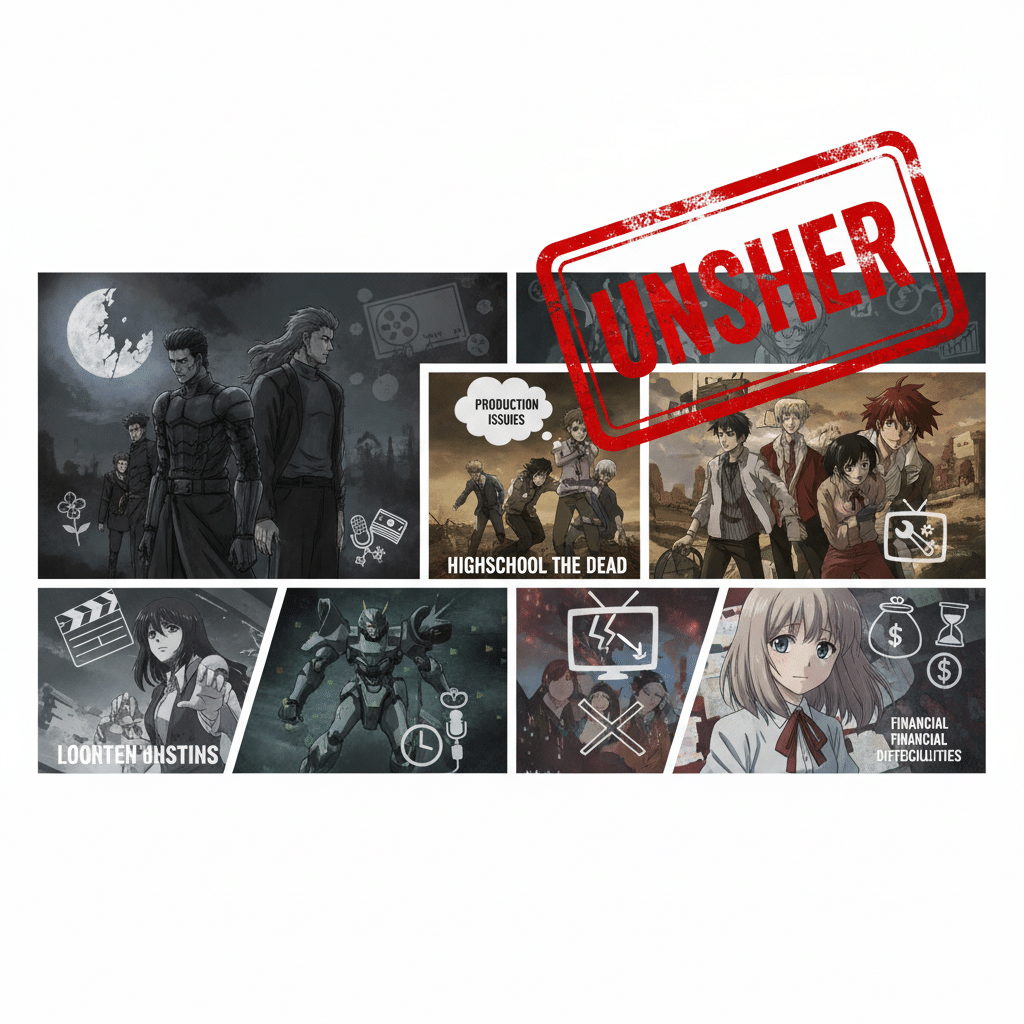
Common reasons for cancellation and pause in animes
Cancellations and pauses in anime series occur for various reasons, affecting both creators and fans. These interruptions often reflect the complex relationship between the industry and the audience.
In many cases, economic motives and editorial pressures play a crucial role. Understanding these causes helps contextualize the decisions behind each interrupted work.
During 2025, several animes have experienced these scenarios, showing how competition and market expectations influence their continuity or abrupt end.
Economic and sales factors
Revenue from sales of DVDs, merchandising and streaming rights are critical to the survival of an anime. When these do not reach the planned goals, productions face cancellations.
Series that fail to attract enough audience or show a decline in popularity are usually the first to be suspended. Commercial pressure forces quick decisions to be made to minimize losses.
Additionally, in publications like Shonen Jump, lack of sales success often results in early closures, affecting the narrative and limiting the opportunity for creative development.
Editorial influences and external pressures
Publishers and production companies exercise strong control over the content, pace and duration of the series. This may result in pauses or cancellations motivated by strategic and market decisions.
External pressures, such as public criticism or changes to network programming, also impact the continuity of an anime. Sometimes suspensions are temporary, but can alter public reception.
In controversial cases, social networks and fan requests generate constant debate, although they do not always manage to reverse the editorial decision to cancel or pause a series.
Case of canceled and paused series in 2025
During 2025, the anime industry has seen several series canceled or paused, generating debates and confusion in the community. These interruptions reflect multiple factors combined.
Official causes vary from internal difficulties, low sales, to public controversies. Each case has different consequences for fans and creators.
It is vital to analyze concrete examples to better understand how these decisions affect the narrative and reception of the works.
Relevant examples and their official reasons
“Sono Keisatsukan, Tokidoki Yajū!” was canceled due to various circumstances” without specific details, a case that illustrates the frequent opacity in these decisions.
In Shonen Jump, ten series such as “Astro Royale” and “Ping-Pong Peril” closed prematurely due to low sales or lack of popularity, reflecting a worrying trend in the industry.
These cancellations are often due to commercial and editorial pressures that force authors to finish stories in a hurry, sacrificing narrative quality.
Impact on the narrative and public reception
Abrupt cancellations affect the coherence and development of the plots, leaving incomplete or rushed endings that frustrate loyal followers.
The public reacts with disappointment and debates about artistic value versus commercial interests, generating polarization regarding these decisions.
Some animes face harsh criticism for quality or content, which can speed up pauses or cancellations due to media pressure and audience loss.
Situation on streaming platforms
Platforms like Netflix experience breaks in releases for external reasons, such as programming or technical adjustments, although they do not always imply definitive cancellation.
These delays may affect the narrative pace and viewer experience, but maintain hope for continuity if conditions improve.
The role of streaming services is key to the global dissemination of anime, and their decisions affect the perception and international success of series.
Reactions and controversies of the public
Cancellations and pauses in animes often provoke strong reactions in the fan community. Followers express their opinions about the quality and content, generating extensive debates.
These controversies reflect the emotional impact that the series have on their audience. The interaction between audience and industry becomes evident when requests and discussions arise on social networks.
Public support or rejection can influence the continuity or revival of an anime, demonstrating that the voice of fans has weight in some creative and commercial decisions.
Debates and requests for quality and content
Fans often demand improvements in animation and script quality, especially when a series has obvious flaws. These requests are common after broadcasts with technical deficiencies.
Criticism also focuses on the content, especially if offensive elements are perceived or that do not respect the original work. This sparks debates about the creative direction of the series.
In 2025, several animes faced public requests to be canceled due to general dissatisfaction, evidencing the public's surveillance of the industry.
Influence of fan support on revivals
Massive community support may motivate a canceled series to receive a new opportunity years later, evidencing the power of fans in the industry.
Social media campaigns, petition signings and support events have proven to be effective in reviving projects or generating spin-off productions with a better budget.
Example of fanatical influence in revivals
Series like Akatsuki no Yona have maintained a faithful foundation that calls for continuations, creating pressure for studios to consider future seasons or adaptations.
This phenomenon shows the delicate balance where public support can alter commercial decisions and give a second life to previously canceled works.
Implications for the industry and creators
Cancellations and pauses reflect the delicate balance that studies must manage between the creative freedom and the commercial demands of the market.
This balance directly impacts the ability of creators to innovate without sacrificing the economic viability of their projects within a competitive industry.
Additionally, series interruptions influence audience perception and the long-term sustainability of the anime format, creating challenges for all actors involved.
Balance between creativity and commercial demand
Creators often face pressure to adjust their stories to satisfy publishers and sponsors who prioritize sales and business success.
This context can limit artistic experimentation, since content is required that guarantees audiences and profitability, affecting originality and narrative depth.
However, there are cases where the negotiation between creativity and the market allows the production of successful works that preserve their artistic essence, although they are the exception.
Consequences for the future development of anime
Frequent cancellations can discourage new talent and affect thematic diversity by promoting safer and less risky content.
On the other hand, the industry is driven to look for more flexible and sustainable models that balance innovation with the need to generate income.
This process will influence the evolution of anime, defining whether it will continue to be a dynamic medium or become a more restrictive and commercialized format.