Magical worlds and fantastic creatures in anime
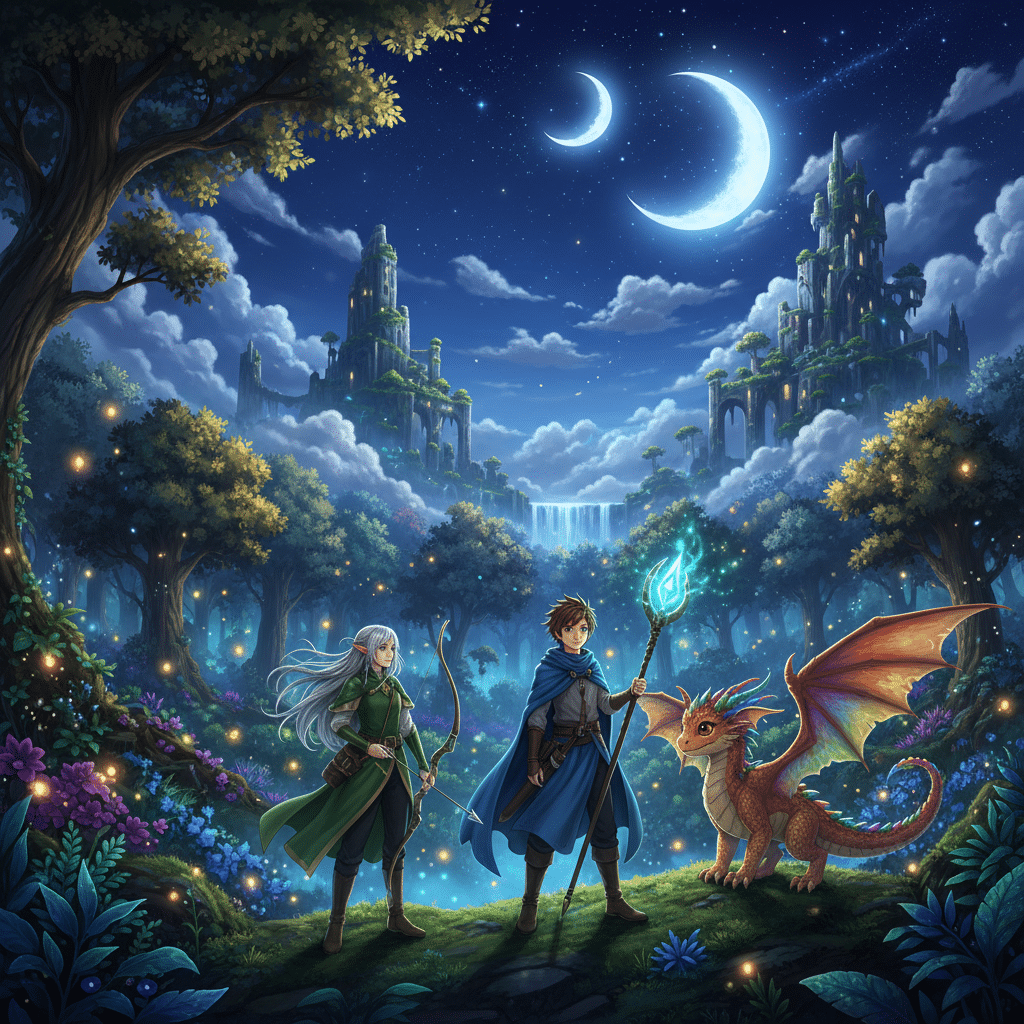
The fantasy anime movies they transport us to universes full of magic, where the impossible becomes possible. These worlds combine surprising landscapes and unique supernatural powers.
In these magical environments, the protagonists face challenges and coexist with extraordinary creatures, making adventure and imagination the engines that drive each story.
Characteristic elements of magical universes
Magical universes in anime are defined by the presence of hidden realms and impossible landscapes that defy everyday logic. Magic acts as a life force that connects characters and settings.
These elements are inspired by both Japanese mythology and Western traditions, generating a creative fusion that enriches the narrative world and its visual resources.
Additionally, magic serves to explore deep themes, such as personal growth, the struggle between good and evil, and connecting with nature in a fantastic and attractive environment.
Mythical creatures and their cultural origin
Fantasy anime features mythical creatures that come from diverse mythologies, from the elves and dragons even the only mushi and youkai, linked to Japanese folklore.
These creatures not only provide visual diversity, but also embody cultural and spiritual symbolism that enriches the narrative and gives depth to the fantasy world.
Works such as those by Studio Ghibli introduce emblematic characters that reflect magic and tradition, reinforcing the viewer's connection with the magical and mystical within the anime.
Representative works and emblematic figures
Fantasy anime features works that have marked generations, combining fantastic worlds with deep stories. These productions stand out for their unforgettable characters and unique universes.
Many of these works are considered pillars of the genre, influencing generations of creators and fans due to the way they handle magic, adventure and mythology in their stories.
Contributions from Studio Ghibli
Studio Ghibli is essential to understanding fantasy anime. His films create worlds rich in magic and creatures like Totoro or the demon Calcifer, full of symbolism.
Flagship films such as Spirited Away and The Walking Castle combine visual beauty with deep themes, reaffirming the importance of Studio Ghibli within the fantasy genre.
These works not only show magical creatures, but also explore the relationship between humans and nature, giving a poetic and ecological approach to their stories.
Classic fantasy series and their characters
Classic series like Slayers and Inuyasha feature complex characters who live adventures full of magic, facing all kinds of dangers and mythical monsters.
These characters often embark on epic journeys, where bravery and learning about their own powers are central elements in the plot.
The popularity of these series lies in their ability to mix action, humor and drama, creating worlds where the viewer feels immersed in fantasy.
Modern examples and subgenus isekai
The isekai subgenre has renewed fantasy anime, transporting common characters to magical worlds where they must adapt and grow facing new challenges.
Current examples such as Re:Zero or Sword Art Online combine action, magic and technology, showing an evolution of the genre that attracts varied audiences.
This approach expands narrative possibilities, allowing you to explore culture shock and personal transformation in imaginative and fantastical environments.
Adventures and magic narratives
The adventures in fantasy anime they revolve around protagonists who discover their magical abilities and face challenges that test their courage and strength.
These stories combine action, personal growth and supernatural elements, keeping the viewer fascinated with every unexpected test and turn along the way.
Character development and heroic tests
In these narratives, characters grow as they overcome obstacles and learn to control their magical powers, showing profound changes in their character and abilities.
Heroic trials are essential, challenging the protagonists to overcome fears, face enemies and discover the true meaning of bravery.
Thus, the hero's journey becomes a metaphor for self-discovery, where each challenge reveals hidden facets and inner strengths.
Recurring themes and symbolism in the stories
Fantasy anime uses magic to explore themes such as the struggle between good and evil, friendship, sacrifice, and connection to nature.
The symbolism is reflected in creatures, artifacts and powers that represent universal concepts, enriching the plot and giving it multiple levels of interpretation.
This thematic depth invites viewers to reflect on human values and the importance of balance in both real and imaginary worlds.
Impact and appeal of fantasy anime
Fantasy anime stands out for its ability to surprise and excite, immersing viewers in worlds where magic is essential. Its appeal lies in the combination of visual narratives and immersive themes.
Thanks to magic as a central element, these stories show memorable characters and impressive settings that capture the imagination, creating a unique audiovisual experience.
Magic as a narrative and visual engine
Magic in anime is not only a narrative resource, but also a striking visual element. Its graphic manifestations raise the epic and fantastic tone of each story, generating fascination.
This supernatural force guides the conflicts and evolution of the characters, accompanied by visual effects that reflect emotions, powers and atmospheres unique to each story.
Thus, magic acts as a catalyst that drives the plot and defines the artistic style, making each fantasy work a visual exploration of the impossible and extraordinary.
Diversity of subgenres and related genres
Fantasy anime spans a wide variety of subgenres, from heroic epics to school stories with magic, broadening the thematic and stylistic spectrum available.
In addition, it includes related genres such as isekai, where common characters explore new magical worlds, enriching the plots with combinations between adventure and personal transformation.
This diversity attracts different audiences, keeping alive an interest in fantasy and allowing constant innovation in the way these magical stories are told.