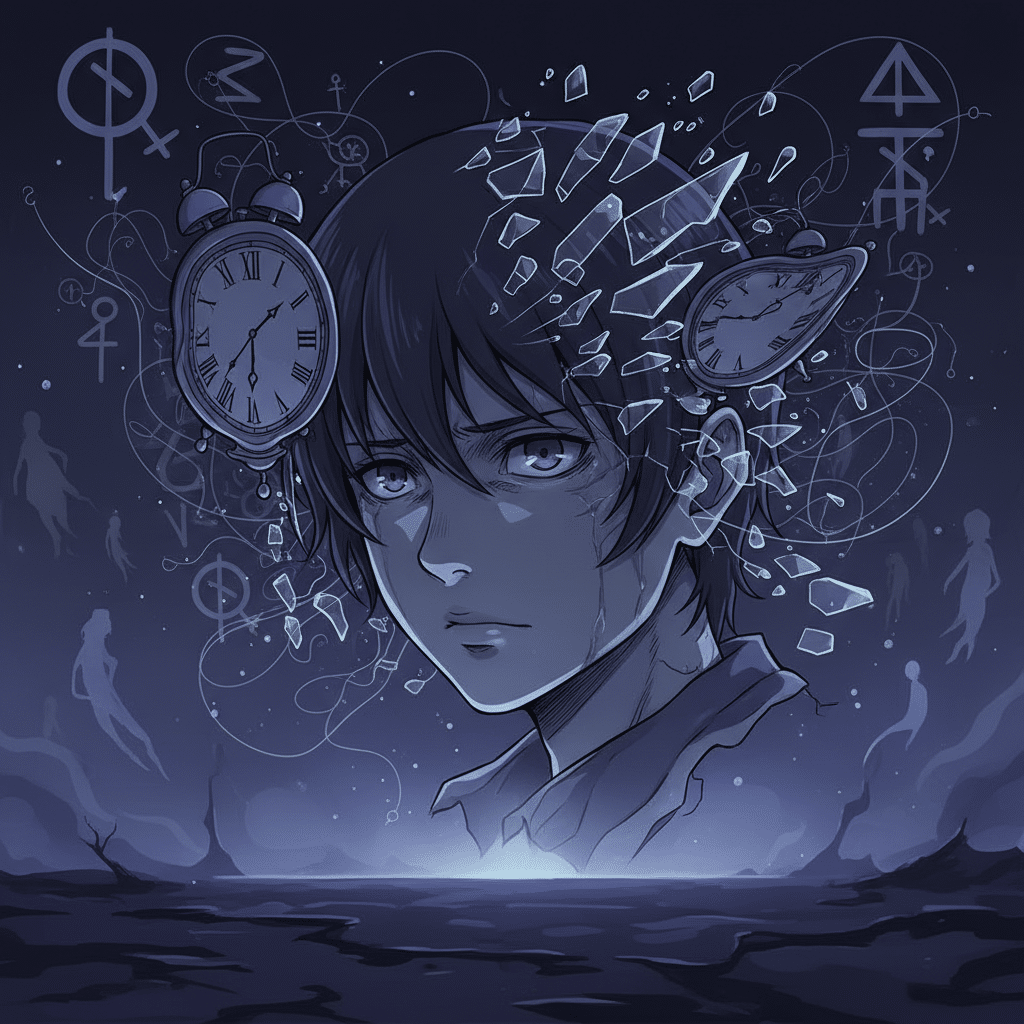
Characteristics of psychological anime movies
Psychological anime films stand out for their depth exploration of the human mind, delving into complex aspects of psychology and consciousness. This genre goes beyond the conventional plot to offer a unique mental experience.
These works explore themes such as identity, reality and the internal conflicts, involving the viewer in an introspective journey that challenges their perception of the world and themselves.
The main focus is to provoke an intense reaction in the audience, using both visual and narrative elements that allow a connection with the deepest emotions and existential dilemmas.
Exploration of the human mind
The films immerse themselves in psychological complexity, portraying conflicting mental processes, such as the dissociation between the public and private selves, or the disintegration of personal identity.
This analysis helps reveal the internal structures of thought, showing both the fragility and strength of the mind in the face of different social and emotional pressures.
Through narrative and visual techniques, these works open a space to question reality and understand the multiple layers that make up the human mind.
Deep and reflective emotions
Psychological animes introduce the viewer to a world of intense emotions, such as anxiety, sadness or fear, inviting them to reflect on their own emotional experience.
This genre not only seeks to entertain, but also to generate a deep connection that stimulates introspection and debate about hidden vulnerabilities and desires.
Thus, films frequently explore complex and contradictory feelings, allowing emotional growth through identification and personal questioning.
Featured examples of psychological films
Psychological anime films are notable for depicting complex internal and mental conflicts, exploring identity and deep emotions through immersive narratives.
Below are iconic examples that show different facets of this genre, each with a unique proposition for the reflective viewer.
These works reveal how anime addresses difficult themes such as fragmented reality, trauma, and existential crises.
Perfect Blue: identity and mental disintegration
Perfect Blue tells the story of Mima, a singer who changes careers to acting and begins to suffer a deep identity crisis. The line between your public and private self becomes blurred.
The film illustrates the psychological impact of fame and social pressure, showing how these factors can lead to mental disintegration and extreme confusion of reality.
This work is an immersion in mental anguish, generating in the viewer a reflective concern about personal identity and the consequences of fame.
Paprika: dreams, reality and identity
Paprika explores the power of dreams through technology that allows you to enter the minds of others, blurring reality and the subconscious of the characters involved.
The narrative brings to the fore internal conflicts, repressed desires and hidden traumas, questioning the stability of identity and subjective perception of the world.
With a visually innovative approach, the film invites us to reflect on the limits between the conscious self and the dreamy alter ego, generating a complex mental experience.
Gantz: Or and the trauma of war and death
Gantz: Or it combines intense action with the psychological analysis of its characters, who face emotional consequences derived from war and constant death.
The protagonists, revived on a different level, must confront their traumas and the loss of their previous life, provoking a deep reflection on the meaning of existence.
The film highlights human vulnerability to horror and violence, exploring how these experiences affect the mind and transform identity.
Recurring themes in psychological anime
Psychological anime addresses themes that explore the complex nature of the human being, especially the dualities and internal conflicts that shape identity and perception.
These themes invite the viewer to question deep aspects of their existence, revealing fears, hidden desires and the constant search for meaning in life.
With these tools, the genre manages to connect emotionally and stimulate introspection through intense and challenging narratives.
Confusion between public and private self
A central theme is the confusion between public and private identity, where characters struggle to maintain internal coherence in the face of external expectations.
This division generates psychological conflicts that reflect the struggle to define oneself in the midst of social pressures and identity crises.
The films show how this duality can lead to mental fragmentation and an intense sense of alienation and disorientation.
Hidden fears, desires and traumas
Animes explore the subconscious where deep fears, repressed desires and traumas inhabit that shape the behavior and internal reality of the characters.
These elements are revealed little by little, showing how emotional wounds affect perception and interpersonal relationships.
This exploration helps understand hidden motivations, taking the viewer on an introspective journey full of symbolism and mental challenges.
Questioning the meaning of life
A recurring theme is the search and questioning of the meaning of life, especially in the face of death, loneliness and suffering.
Characters often face moments that force them to rethink their values, their existence and their purpose, showing human fragility and strength.
This reflection invites viewers to confront their own existential doubts, generating a deep emotional and philosophical experience.
Impact and meaning of these films
Psychological anime movies have a deep impact by inviting reflection on human vulnerabilities, showing hidden aspects of the mind and soul.
Its meaning goes beyond entertainment, then they provoke introspection and questions that can change the way we understand reality and one's own identity.
Reflection on human vulnerabilities
These films show emotional and mental fragility, making visible fears and traumas which are often hidden in everyday life.
By engaging in complex internal conflicts, they inspire viewers to recognize and accept their own weaknesses and unexpressed emotions.
This reflection opens the door to greater self-knowledge and empathy towards the internal struggles of others, promoting personal growth.
Lasting influence on thinking and emotions
The stories and symbols present in these works remain in the mind, stimulating debates and motivating a constant reevaluation of existence.
The emotional impact generated can transform perceptions, making the viewer face their insecurities and seek deep answers.
Thus, these films consolidate a legacy that influences both the way of thinking and the way of feeling, enriching the human experience.