Historical and cultural context of feudal Japan in anime
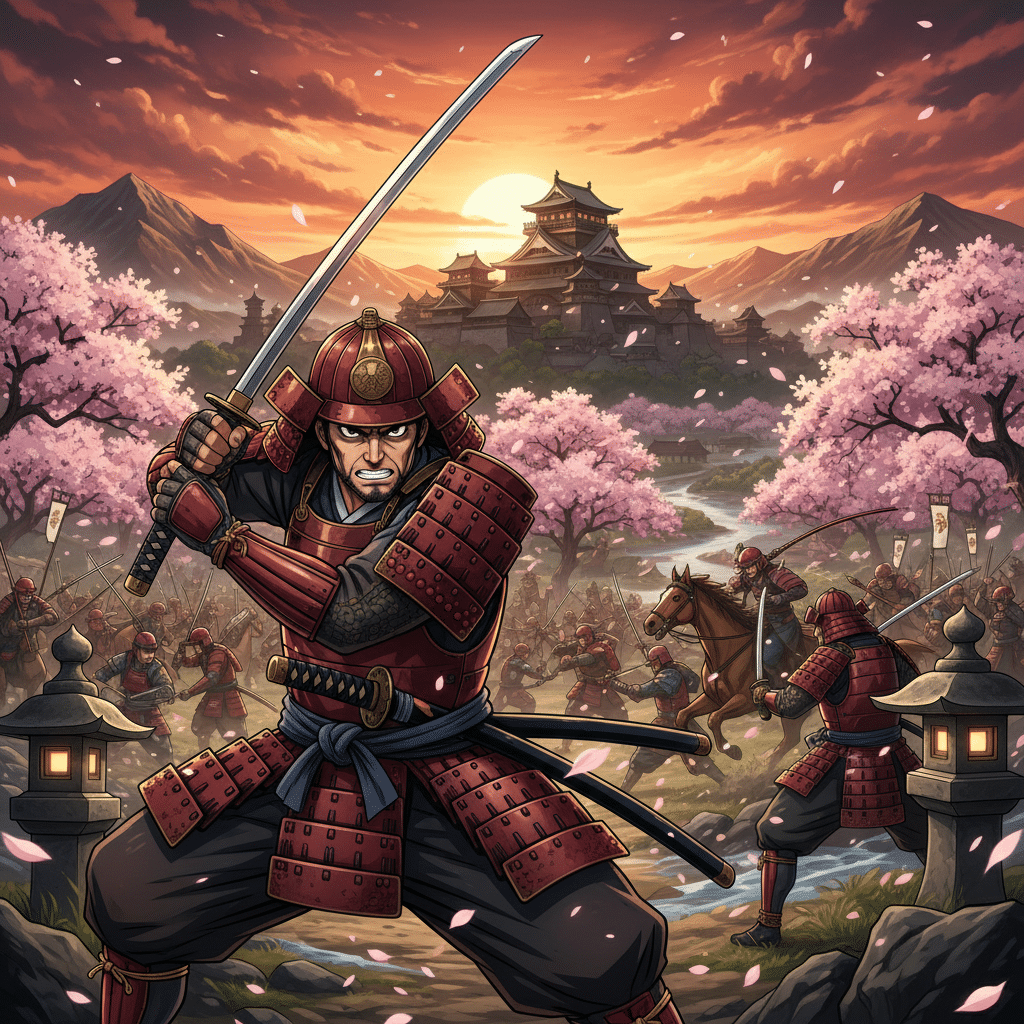
Feudal Japan is a recurring setting in anime, providing a rich and complex historical background. Its crucial eras, such as the Sengoku and Edo periods, illustrate a Japan marked by conflict and rigid traditions.
The anime explores both the harshness of civil wars and the importance of samurai values. These narratives combine action and drama to reflect the cultural and social transformation of the time.
Furthermore, these series address the coexistence of the samurai tradition with the political changes that led to the end of feudalism, creating a link between past and modernity.
Sengoku and Edo periods: context for stories
The Sengoku period, known as the era of warring states, was a turbulent time with constant power struggles between rival clans. This context offers an ideal setting for epic and strategic stories.
On the other hand, the Edo era brought stability under the Tokugawa shogunate, but maintained a rigid social and cultural structure. This duality between peace and control also inspires many plots in anime.
The contrast between both eras reflects Japan's transition, showing intense wars and then a more stable but conservative society, which enriches samurai stories.
Samurai values: honor, loyalty and bushidō
The bushidō, samurai code of ethics, defines essential concepts such as honor and loyalty. These values are pillars in the plots, guiding the characters' decisions and conflicts.
Honor is often an engine that drives dramatic actions, while loyalty establishes strong bonds between samurai, referring to their commitment to their lords and companions.
These principles not only define samurai identity but also confront characters with deep moral dilemmas, bringing complexity to anime narratives.
Representative anime of feudal Japan
Animes depicting feudal Japan offer a fascinating window into this era, mixing history, action and drama. These series capture the cultural essence and social conflicts of the time.
In these works, clan struggles, samurai tradition, and the tension between ancient honor and the arrival of modernity stand out, exploring deep personal and collective narratives.
From realistic interpretations to stylized fantasies, these animes consolidate feudal Japan as a rich and versatile setting within the Japanese audiovisual medium.
Rurouni Kenshin: transition between shogunate and modernity
Rurouni Kenshin tells the life of Kenshin Himura, a repentant samurai who abandons violence in a Japan that changes after the fall of the Tokugawa shogunate. His journey reflects the struggle between past and future.
This series stands out for its deep immersion in the Bakumatsu, a critical period for the end of feudalism, combining exciting action with complex characters and transforming samurai values.
The main character symbolizes the dilemma between the search for redemption and the persistent shadow of a time of war and revolution.
Samurai Champloo: the mix of tradition and modernity
Samurai Champloo is recognized for fusing historical elements of Edo Japan with modern influences and hip-hop music, creating a unique and fresh proposal within the samurai genre.
The story follows three different characters whose journey through Japan explores the cultural clash between tradition and new airs that were beginning to emerge at that time.
His irreverent style combines humor and action, challenging many typical conventions, while paying homage to the changing nature of Japanese society.
Samurai Kings: the Sengoku era with fantastic elements
Samurai Kings, or Sengoku Basara, places its action during the Sengoku era, but with remarkable creative freedom that incorporates supernatural powers and exaggerated battle scenes.
This anime adapts historical figures such as Oda Nobunaga to an epic and dynamic format, highlighting the violence and strategy of the time in an entertaining and visually striking format.
Although it takes many licenses, it maintains a historical foundation that allows viewers to get closer to the complexity of fractured feudal Japan.
Hakuoki: the drama of Shinsengumi in the Edo era
Hakuoki focuses on the Shinsengumi, a samurai police force that protects the shogunate in its final years. Its narrative combines history, drama and supernatural elements for greater emotional impact.
Featuring a female protagonist, the series explores the loyalty, sacrifice and hardship these warriors face in a time of great political and social upheaval.
This work stands out for its dramatic and romantic approach, delving into the internal conflicts of the characters and the decline of feudal Japan.
Central themes in samurai stories
Samurai stories in the anime focus on internal conflicts that reveal complex moral dilemmas, where honor and loyalty are continually tested.
These narratives also address historical struggles and battles that reflect the violence and chaos of times like Sengoku, displaying both human strategies and emotions.
Finally, the tension between tradition and social change is a recurring theme, exploring how samurai confront Japan's transformation toward modernity and the loss of ancient values.
Internal conflicts and moral dilemmas
Samurai often face internal conflicts where their sense of honor and loyalty clashes with their personal desires or changing context. These dilemmas humanize the characters.
For example, Kenshin Himura of Rurouni Kenshin struggles with his bloody past and his promise not to kill, showing the emotional complexity of the repentant samurai.
These conflicts deepen the plot and allow us to explore themes such as redemption, sacrifice and the fight to maintain integrity in difficult times.
Historical fights and battles
The battles represent key moments of action and conflict in the samurai anime, recreating epic scenes of civil wars and personal duels that mark the fate of characters and clans.
Series like Samurai Kings dramatize these wars with fantastic elements, while maintaining a basis in historical events, showing the cruelty and war strategy of the period.
Through these scenes, the anime illustrates the brutality of feudal Japan and how war affects the lives and ideals of samurai warriors.
Tension between tradition and social change
The stories explore how samurai deal with the inevitable transition to a modern society, where the ancient bushidō code and traditional social structures are challenged.
In Samurai Champloo, this tension is manifested in the mix between historical aesthetics and modern elements, reflecting a Japan in full cultural transformation.
Challenges to the samurai code
The arrival of new ideas and the erosion of the feudal system put traditional values in check, creating conflicts between generations and within the characters themselves.
This contrast enriches the plots, showing both nostalgia for the past and the necessary acceptance of a different future.
Impact and legacy of Japanese feudal anime
Japanese feudal anime has enriched popular culture by offering diverse and profound insights into ancient Japan, combining history and fantasy. These stories connect audiences to samurai tradition.
His legacy is reflected in the ability to transmit values such as honor, loyalty and internal struggle, keeping the ideals of bushidō alive in the collective imagination of various generations.
Furthermore, these works have influenced the way the feudal period is perceived, both culturally and educationally, opening doors to new interpretations of the Japanese historical past.
Multifaceted visions of feudal Japan
Animes have shown different facets of feudal Japan, from realistic stories to fantastic interpretations. This diversity allows us to appreciate the social and political complexity of the time.
Elements such as war, politics and spirituality are intertwined, creating a multifaceted panorama that invites us to reflect on Japanese cultural identity and evolution.
Thus, feudal Japan becomes a living setting that goes beyond the simple historical context, exploring emotions, dilemmas and universal human transformations.
Influence on contemporary anime
The narrative and aesthetics of feudal anime continue to inspire modern creators who reinterpret these themes with new techniques and styles, enriching the samurai genre.
Current series incorporate samurai references and symbolism, demonstrating the validity and continued appeal of these stories in modern anime culture.
Likewise, the evolution of the genre allows us to explore contemporary themes through the lens of tradition, connecting past and present in accessible and attractive formats.