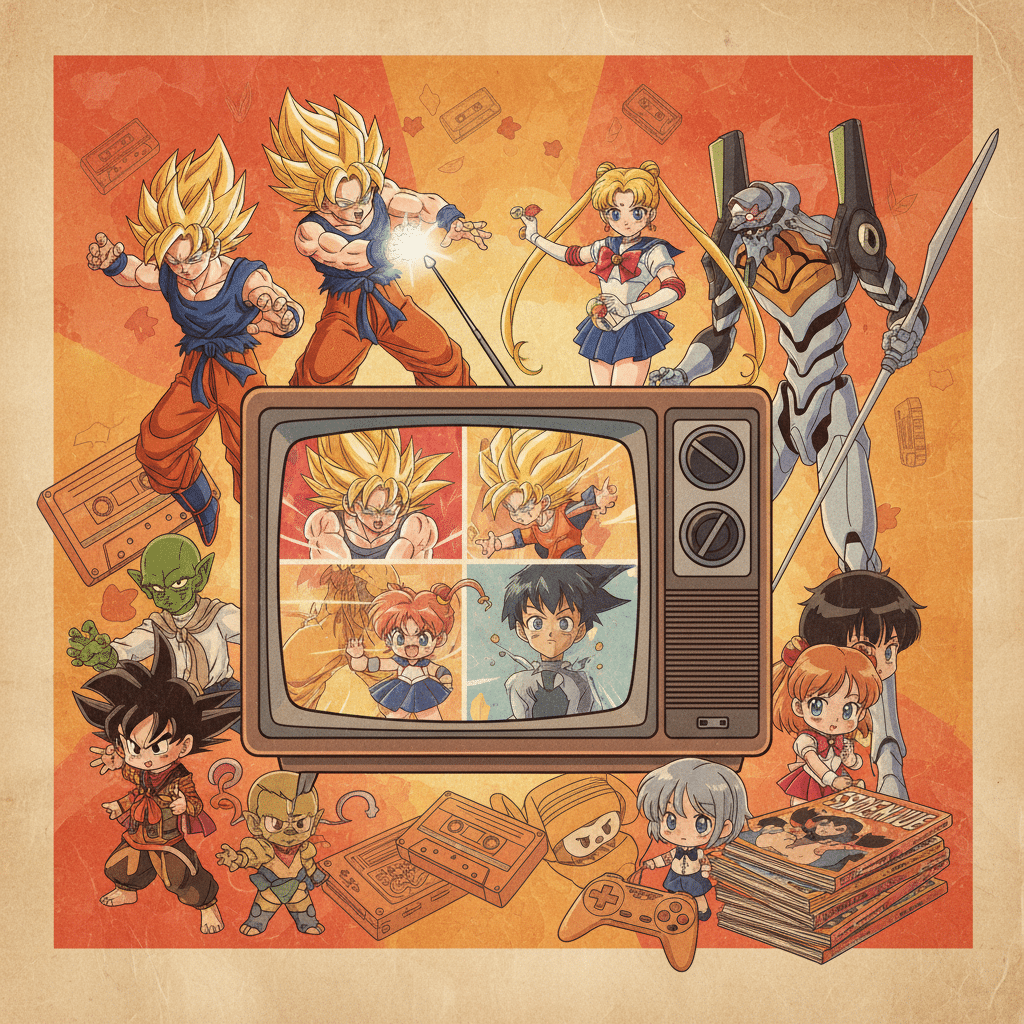
Fundamentals of classic anime
The classic anime it represents the basis of a culture that has transcended borders. Emblematic series defined unique styles and themes, being pillars in the history of the medium.
These productions not only entertained but also addressed deep themes. Its influence is still alive in the public and in new generations of anime creators.
Origin and impact of Astro Boy
Astro Boy, created by Osamu Tezuka in the 60s, is the origin of modern anime. Its narrative and visual style laid the foundations of the animated genre in Japan.
The series addressed dilemmas philosophical and social with appeal to children, demonstrating that anime can have depth and be accessible at the same time.
Astro Boy marked an era and showed anime's ability to combine entertainment with reflection, becoming a global icon of the medium.
Influence of Dragon Ball and its legacy
Dragonball he revolutionized the shonen genre, popularizing themes such as struggle, transformation and personal growth, based on solid values.
Its impact was global, influencing numerous series and maintaining a loyal fan base more than 40 years later, with constant products and reboots.
This legacy demonstrates how an anime can transcend generations, maintaining validity and relevance in global pop culture.
Series that redefined genres and styles
Several classic anime series not only defined genres, but also innovated narrative and visual styles. These series continue to be cultural and artistic references.
Its influence is perceived in current production, demonstrating that anime can be a profound form of art and entertainment that transcends specific eras and audiences.
Neon Genesis Evangelion and its psychological complexity
Neon Genesis Evangelion he revolutionized the mecha genre with his focus on character psychology and deep existential themes. It was a radical change in the anime's narrative.
The series introduced doubts, traumas and internal conflicts, showing that an anime can explore the human condition with a level of detail uncommon at the time.
This complexity made Evangelion the subject of academic debate and a cultural phenomenon that continues to affect creators and fans around the world.
Cowboy Bebop: mix of genres and aesthetic reference
Cowboy Bebop he stood out for fusing science fiction, western and jazz, creating a unique style. Its mature narrative and careful aesthetics make it an iconic adult anime series.
The depth of its characters and the quality of its soundtrack set a standard of excellence, making it a respected and admired cult work.
There has never been a remake that matches its impact, reflecting the strength of its legacy and the loyalty of its fan base.
Sakura Card Captor and female narrative
Sakura Card Captor it was fundamental for anime aimed at female audiences, demonstrating that stories with female protagonists can be universal and timeless.
This series combines delicate visual elements and a narrative that addresses adolescence, friendship and personal growth, connecting with several generations.
Its success has promoted new adaptations and films, confirming its importance as a reference within the genre and in global pop culture.
Ashita no Joe as a social and sporting phenomenon
Ashita not Joe it transcended sports anime to become a social symbol in Japan, with a story about struggle and personal improvement through boxing.
Its cultural impact is such that it inspired modern productions such as Megalo Box, showing how anime can influence society and new sports stories.
Joe, as a character, represents hope and resilience, establishing himself as an iconic figure who goes beyond sport within anime.
Continuous relevance and adaptations
Classic anime is still valid thanks to constant renewals and adaptations that maintain the connection with new audiences. These series are updated without losing their original essence.
The renovations allow iconic classics to remain cultural, showing that the quality of their stories transcends generations and fads.
Renewals and reboots in classic series
Series like Dragonball they continue to expand with new seasons, such as Dragon Ball Super, which revitalize the plot and attract both old and new fans.
Likewise, Sakura Card Captor it has been relaunched with new adaptations that update the graphic style and story, maintaining its charm and fidelity to the original.
The case of Neon Genesis Evangelion it is notable for its reboots and films that delve into its psychological themes, renewing interest and academic discussion.
These updates allow classic anime to not only survive, but adapt to the times, fostering a legacy that inspires creators and global audiences.
Cultural legacy and global influence
The classic anime it has left an indelible mark on global culture, influencing generations and fueling the creation of new works. His legacy transcends borders and times.
Many classic series remain relevant thanks to their rich universes and memorable characters, which continue to inspire fans and creators around the world alike.
Impact on generations and new productions
Classic series like Dragon Ball and Sakura Card Captor continue to reach new audiences through adaptations and reboots. This demonstrates its power of transversal connection over time.
These works teach universal values such as friendship, growth and improvement, elements that continue to be key to success in new current productions.
Furthermore, the influence of classics like Ashita no Joe inspires modern stories that rescue their symbolism, ensuring that their message remains valid and reinterpreted.
Classic anime as a world cultural reference
The classic anime it is an essential reference in world pop culture, establishing narrative and aesthetic standards that define the medium to this day.
Series like Neon Genesis Evangelion or Cowboy Bebop marked a before and after, consolidating anime as an art form with global impact.
These productions not only foster cultural dialogue between Japan and the world, but also help define the identity of anime as a cross-cultural phenomenon.