Influence of Japanese mythology on anime
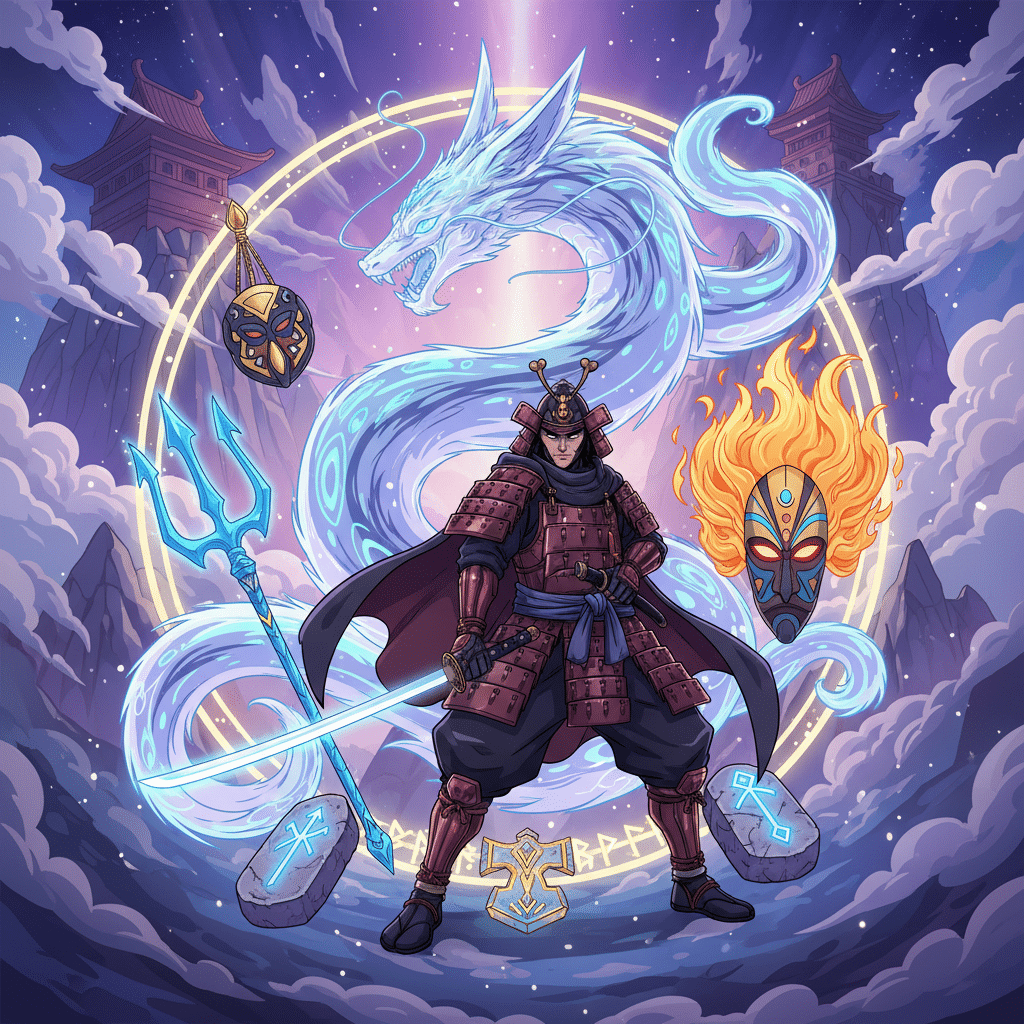
Anime is deeply influenced by the japanese mythology, which serves as the basis for many stories and characters. This connection creates worlds rich in symbols and spirituality.
The legends and supernatural beings of Japanese folklore provide essential elements to develop narratives where the human and the mystical converge, offering the public an authentic cultural experience.
This fusion allows anime to not only entertain, but also preserve and disseminate ancestral traditions adapted to modern sensibilities, strengthening Japanese cultural identity.
Animation and classic mythological creatures
Numerous Japanese animations use classic mythological creatures to build their universes. Dragons, Yokai and deities are recurring characters that enrich the story.
Films like “The Journey of Spir” integrate legendary elements such as kappa and kami, generating a mystical environment in which spiritual and human themes are explored.
In “Princess Mononoke”, kodamas stand out, spirits of the forest, which represent the sacred connection between nature and the spiritual world.
The use of these traditional figures brings depth and authenticity to the narrative, creating a bridge between folklore and contemporary animation.
Spirits and gods in iconic films
Japanese anime cinema frequently features spirits and gods, as in “The Tale of Princess Kaguyacompasses, based on ancient lunar legends.
Some films show the tanuki, creatures with magical powers that symbolize duality and transformation in popular culture.
Additionally, works such as “Inuyash” explore the presence of demons and spiritual guardians, reflecting the complex relationship between humans and supernatural beings.
These iconic films convey cultural and spiritual values, perpetuating the legacy of Japanese mythology in today's culture.
Recurring mythological figures in series and movies
Mythological figures are key elements in many anime series and movies. They represent deep cultural symbols that enrich the plots.
These entities allow us to explore universal themes such as duality, spirituality and connection with nature, fundamental in Japanese narrative.
Thus, animes incorporate these figures to offer meaningful narratives, exciting and educating the audience about ancestral traditions.
The symbolism of kitsune foxes
The foxes kitsune they are important mythological figures for their cunning and shapeshifting powers. They are recurring in anime, symbolizing mystery and wisdom.
Series such as “Natsume Yūjin-Chō” and films such as “Hotarubi no Mori e” show these spirits as guardians or ambivalent entities, reflecting their role in folklore.
Kitsune embodies the duality between the human and the supernatural, allowing the anime to explore the interaction between both worlds with respect and fascination.
Yokai and demons in supernatural narratives
The Yokai and demons are an essential part of anime supernatural stories. Their presence represents universal human fears and dilemmas.
Numerous demonic creatures appear in series such as “Inuyash” and “Demon Slayer”, symbolizing spiritual challenges and tests of courage and honor.
These beings provide a dark and magical dimension, staging the fight between good and evil within traditional and modern contexts.
Guardians and spirits of nature
Guardians and spirits of nature symbolize the sacred connection with the environment. In anime, these characters are essential to promote ecological values.
Movies like “Princess Mononoke” highlight the kodamas and animal deities who protect forests, underlining the importance of taking care of the planet.
This approach highlights the spirituality inherent in nature in Japanese culture, offering the audience a message of respect and harmony with the environment.
International mythologies and their representation in anime
Anime is not limited to Japanese mythology; It also incorporates legends from various cultures, enriching its narratives. These international influences allow us to explore universal archetypes.
By combining myths from different origins, anime creates unique stories that connect tradition and modernity. Thus, the public discovers the symbolic and spiritual value of different cultures.
This global approach also reflects anime's openness to adapting and reinterpreting ancient stories, generating intercultural dialogue through animation.
Greek and Japanese mythology outside Japan
Works such as “Saint Seiyad” merge the greek mythology with anime elements, presenting gods and heroes in epic battles with Japanese aesthetics.
This cultural crossover highlights the universality of themes such as honor and destiny, bringing international audiences closer to stories from different traditions.
Likewise, many animes introduce classic Japanese figures in modern contexts outside of Japan, showing the flexibility and appeal of these legends.
Adaptations of Chinese myths and other pantheons
The anime also interprets Chinese myths and myths from other pantheons, such as in “Fushigi Yugipl”, where the four cardinal gods form the narrative basis of the series.
These adaptations allow lesser-known stories to be presented to the public, enriching the cultural diversity of animated content.
The incorporation of different pantheons shows how anime acts as a bridge for knowledge and appreciation of global mythologies.
Anime as a bridge between tradition and modernity
The anime acts as a valuable bridge connecting the ancient tradition with current creative expressions, revitalizing ancestral legends. Its modern visual language allows archaic stories to reach young audiences.
This renewal transforms traditional narratives, adapting them to contemporary contexts without losing their essence. Thus, anime preserves cultural memory while innovating in its way of telling.
Preservation and renewal of ancestral legends
The anime preserves ancestral legends by reinterpreting them for today's audiences. Series and movies keep myths alive by including traditional elements in modern plots.
By integrating legends with contemporary themes, anime renews interest in mythology, facilitating its understanding and appreciation by new generations.
This renewal process respects cultural roots and allows the survival of these stories in the collective memory with greater temporal relevance.
The cultural impact of mythology on contemporary audiences
The mythology transmitted through anime deeply impacts popular culture, generating a sense of identity and belonging among viewers.
Furthermore, these adaptations foster respect for ancestral traditions and values, promoting intercultural dialogue through accessible and attractive narratives.
The use of mythological themes in anime creates an emotional connection with the audience, encouraging curiosity and learning about different cultures.