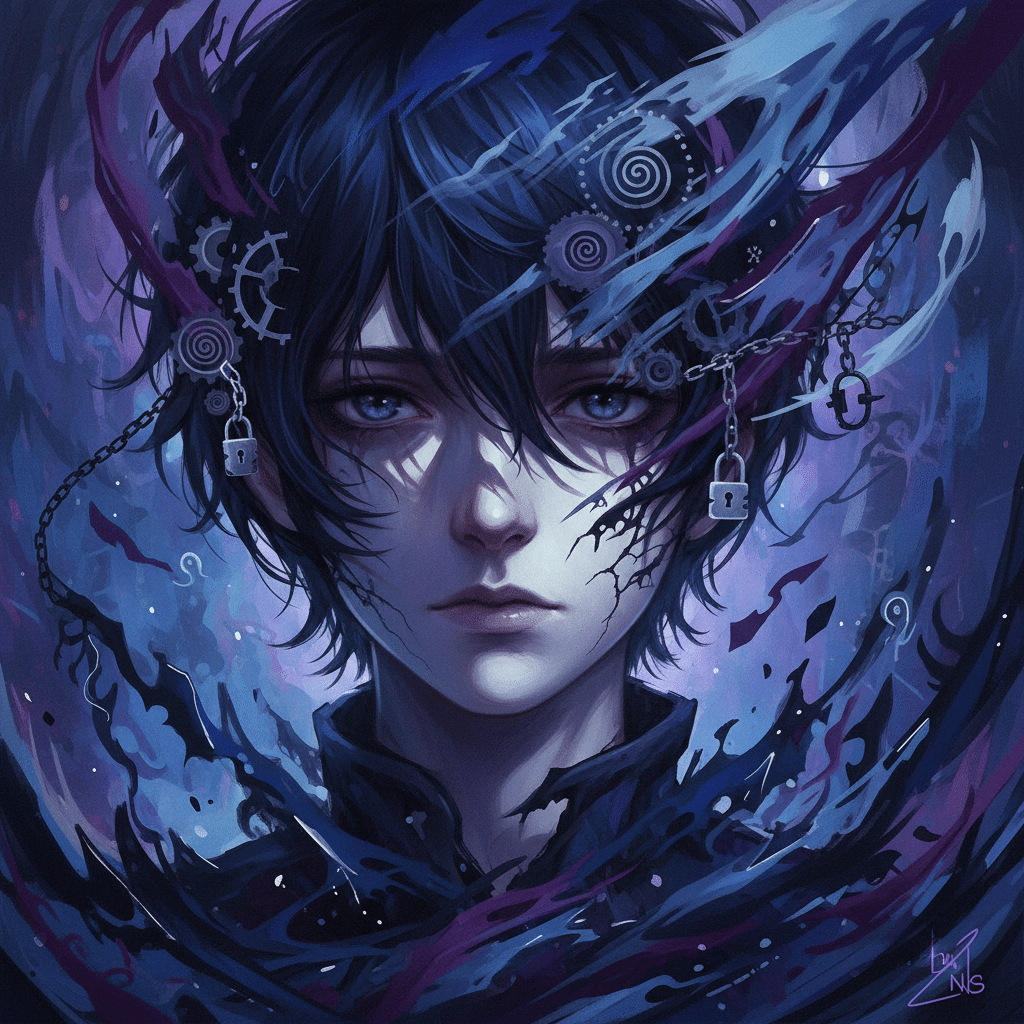
Definition and characteristics of psychological anime
The psychological anime it is a genre that explores the most complex aspects of the human mind and emotions, and goes beyond conventional entertainment. Their stories invite reflection on deep themes that question reality.
These works not only seek to narrate events, but also to create intense experiences that make the viewer face their own perception and internal conflicts. They are stories that explore human psychology from various angles.
In this genre, the plot is often mixed with elements that challenge reason and logic, capturing the suffering, anguish and psychological transformation of the main characters in great detail and depth.
Exploration of the human mind and emotions
Psychological anime is distinguished by a deep inner analysis of the characters, showing their traumas, anxieties and emotional conflicts in often dark and disturbing contexts. This allows for an intimate connection with the audience.
The human mind is represented as a complex space where reality can be distorted, causing characters to question their existence, identity and the meaning of life. Emotions are reflected in extreme situations that challenge mental stability.
This genre also addresses topics such as depression, madness and social isolation, showing how these affect behavior and decisions, generating empathy and understanding towards those who face these internal difficulties.
Central narrative and thematic elements
The plots of psychological anime usually include a mix of reality and fantasy, where the line between the real and the imaginary blurs, causing the viewer a constant feeling of uncertainty and reflection.
A frequent use of symbolism and hidden messages helps build narrative universes that require deciphering, stimulating critical thinking and deeper analysis of each scene and dialogue.
In addition, these animes explore philosophical themes such as identity, existence, good and evil, the social and the individual, crossed by a visual and narrative approach that enhances the emotional intensity and complexity of the message.
Analysis of emblematic works
Psychological anime features works that stand out for their depth and exploration of complex themes. Each iconic title offers a unique insight into the genre and its mental challenges.
Through intricate stories and striking visuals, these series and films invite you to reflect on the human mind, perception and emotional conflicts faced by their protagonists.
These works not only tell stories, but create introspective experiences that are far from conventional, appealing to the sensitivity and critical analysis of the viewer.
Neon Genesis Evangelion: introspection and bodily horror
Neon Genesis Evangelion combines the battle against alien beings with a deep psychological exploration of the protagonist, who faces his fears and internal traumas.
Body horror manifests itself in shocking scenes that reflect the mental and emotional fragmentation of the characters, turning the conflict into an intense psychological journey.
The series challenges the perception of reality, mixing supernatural events with introspective episodes that represent the fragility and complexity of the human mind.
Perfect Blue: fame, madness and psychological terror
Perfect Blue tells the heartbreaking critique of fame and its consequences, where the protagonist gradually loses touch with reality and plunges into madness.
This psychological horror anime builds an oppressive atmosphere that makes the viewer doubt what is true and what is a product of the main character's deteriorated mind.
The work achieves a deep analysis of the psychological impact of social pressure and fractured identity, consolidating itself as a reference for gender.
Devilman Crybaby: humans and demons as a reflection
Devilman Crybaby stands out for a modern and raw visual style that accompanies its story about the duality between humans and demons, showing its close symbolic relationship.
Visual and thematic explicitness is not gratuitous, but a tool to explore human nature and its darkest passions in an environment full of ethical and existential conflicts.
Its multiple narrative layers allow for deep analysis, making the anime a reflection on violence, empathy and the internal struggle between light and darkness.
The Tatami Galaxy: surrealism and unique visual style
The Tatami Galaxy offers a surreal experience with an innovative visual style, using unconventional colors and designs that evoke a sense of alternative realism.
The story revolves around a protagonist who explores different possibilities of his university life, showing the complexity of decisions and their psychological consequences.
This work stands out for its ability to combine humor, symbolism and a visual approach that stimulates reflection on identity and lost opportunities.
Narrative and visual techniques in the genre
Psychological anime uses narrative techniques that play with the viewer's perception, blurring reality and generating uncertainty about what is true or a mental construction.
Visual tools complement the narrative, using colors, symbols and scenes that convey deep emotional states and hidden messages, creating layers of meaning that enrich the experience.
These techniques help immerse the viewer in the complexities of the human mind, leading them to question the existence, identity and boundaries between the real and the imaginary.
Diffuse reality and existential questioning
The narrative usually presents one diffuse reality where characters and viewers doubt what they perceive. This reflects internal conflicts and existential crises prevalent in the genre.
Examples like Neon Genesis Evangelion or Perfect Blue they show the collapse of the border between the external and psychological world, making the plot defy logic and certainties.
This approach invites viewers to question not only the plot, but their own perception of the world, taking them to a space where the existence and identity they are interrogated.
Use of symbolism and hidden messages
Symbolism is a key tool that brings depth to the story, with images, colors and gestures that represent emotions or abstract concepts without being explicit.
Hidden messages allow multiple interpretations, such as in Devilman Crybaby, where violence and blood symbolize human and demonic duality, enriching the reading of the anime.
This technique forces the viewer to be attentive and carefully analyze every detail, transforming the experience into an intellectual and emotional game that prolongs its impact.
Deep psychological themes in anime
The psychological anime addresses deep themes that reflect the complexities of the human mind, showing internal struggles that resonate with the viewer on an emotional and mental level.
These themes are usually presented with raw honesty, portraying conflicts such as anxiety, depression and identity crisis, which reveal the fragility and resistance of human beings.
Social anxiety, depression and isolation
Social anxiety in psychological anime manifests itself as a barrier that characters face to connect with others, causing isolation and deep suffering.
Series like Welcome to the NHK show how depression and social withdrawal affect daily life, exploring the difficulties of finding purpose and effective support.
Isolation is both physical and emotional, generating a vicious cycle that intensifies hopelessness and disconnection, representing internal struggles that many viewers recognize.
Identity, disconnection and internal crises
Questioning identity is a recurring theme, where characters face internal crises that call into question who they are and what their place in the world is.
Works like Ninguen Shikkaku visibly show social disconnection and loss of self-sense, reflecting the pain and confusion of not finding oneself authentic.
These internal crises are often intertwined with distorted perceptions of reality, creating narratives that invite reflection on the fragmented nature of the self.